STAGING – EvolvingDesk

Category: Uncategorized

  • The Future of Work: How IT Evolves Your Business

    The Future of Work: How IT Evolves Your Business

    The workplace of tomorrow is being shaped today by intelligent technology decisions and strategic IT infrastructure. As we navigate an era of unprecedented digital transformation, businesses must understand how evolving IT systems directly influence their competitive advantage, operational efficiency, and long-term success.

    The Digital Transformation Imperative

    Modern businesses face a critical inflection point where traditional IT approaches no longer suffice. The future of work demands systems that are not just functional, but intelligent, adaptive, and seamlessly integrated into every aspect of business operations.

    Key drivers reshaping the workplace:

    • Remote and hybrid work models requiring robust digital infrastructure
    • Real-time data processing needs for instant decision-making
    • Automated workflows that eliminate manual bottlenecks
    • Enhanced security protocols protecting distributed workforces
    • Scalable solutions that grow with business demands

    How IT Evolution Transforms Business Operations

    Enhanced Productivity Through Intelligent Systems

    The evolution of IT infrastructure directly correlates with productivity gains across organizations. Modern businesses leveraging smart IT solutions experience up to 50% improvements in operational efficiency through automated processes, predictive analytics, and streamlined workflows.

    Edge computing brings processing power closer to where work happens, reducing latency and enabling real-time collaboration regardless of location. This technological shift eliminates the frustrating delays that traditionally hindered remote work productivity.

    Communication Revolution

    Advanced communication systems like cloud-based phone solutions are transforming how teams collaborate. These systems eliminate geographical barriers while providing sophisticated features such as intelligent call routing, integrated video conferencing, and seamless mobile connectivity.

    Businesses implementing modern communication platforms typically see 80% reductions in communication costs while dramatically improving team coordination and customer service capabilities.

    Security Evolution for Distributed Workforces

    As work becomes increasingly distributed, IT security has evolved from perimeter-based protection to comprehensive, intelligent security ecosystems. Modern security frameworks incorporate AI-driven threat detection, zero-trust architectures, and automated response systems that adapt to emerging threats in real-time.

    This evolution is crucial as cyber threats increase by 60% during IT transition periods, making robust security infrastructure essential for business continuity.

    Practical Implementation Strategies

    Documentation and Knowledge Management

    Future-forward businesses create comprehensive documentation systems that capture institutional knowledge and ensure operational continuity. This includes detailed system configurations, process workflows, and recovery procedures that prevent single points of failure.

    Proactive Monitoring and Maintenance

    Evolved IT systems incorporate predictive analytics that identify potential issues before they impact operations. This shift from reactive to proactive maintenance reduces downtime costs, which can reach $300,000 per hour for larger businesses.

    Scalable Infrastructure Design

    Modern IT architecture prioritizes scalability and flexibility, allowing businesses to adapt quickly to changing market conditions. Cloud-first approaches enable instant scaling while reducing capital expenditures and operational complexity.

    The Human Element in IT Evolution

    While technology drives transformation, the human element remains crucial. Successful IT evolution requires:

    Cross-training initiatives that ensure multiple team members can handle essential IT functions, reducing dependency on individual specialists.

    Change management processes that help employees adapt to new technologies and workflows without disrupting productivity.

    Continuous learning programs that keep teams current with evolving technology trends and best practices.

    Measuring Success in IT Evolution

    Organizations successfully evolving their IT infrastructure typically achieve:

    • 40% reduction in data processing and transfer costs
    • 60% faster system response times improving user experience
    • 35% improvement in system reliability and uptime
    • 50% enhancement in overall security posture

    These metrics demonstrate tangible business value beyond just technological advancement.

    Future-Proofing Your Organization

    The future of work requires IT systems designed for adaptability rather than static functionality. This means investing in:

    Flexible architectures that can accommodate emerging technologies without complete infrastructure overhauls.

    Integration-ready platforms that connect seamlessly with new tools and services as business needs evolve.

    Scalable security frameworks that protect against both current and future threat vectors.

    Automated backup and recovery systems that ensure business continuity regardless of disruptions.

    Taking Action

    The evolution of work through IT advancement isn’t a distant future concept—it’s happening now. Organizations that delay modernization risk falling behind competitors who leverage technology for competitive advantage.

    Successful IT evolution requires strategic planning, expert implementation, and ongoing optimization. By partnering with experienced IT professionals who understand both current technologies and future trends, businesses can navigate this transformation smoothly while maintaining operational excellence.

    The future belongs to organizations that view IT not as a cost center, but as the foundation for innovation, growth, and competitive advantage in an increasingly digital world.

  • EvolvingDesk: Your Trusted IT Partner Across Europe

    EvolvingDesk: Your Trusted IT Partner Across Europe

    In today’s interconnected digital world, businesses need IT support that transcends borders and adapts to their evolving needs. At EvolvingDesk, we’ve built our reputation over half a decade as a reliable, no-nonsense IT service provider that delivers exceptional results across multiple European markets.

    Our European Presence

    Netherlands Operations Based in the vibrant city of Arnhem, EvolvingDesk serves as your local IT expert with a national reach. From our Arnhem headquarters, we provide comprehensive IT services throughout the Netherlands, ensuring that businesses from Amsterdam to Maastricht receive the same high-quality, responsive support that has made us a trusted name in the industry.
    Our Dutch operations cover everything from small startups in Utrecht to growing enterprises in Rotterdam, delivering tailored solutions that meet the unique needs of the Dutch business landscape.
    International Expansion Our expertise extends well beyond the Netherlands. We’ve strategically expanded our operations to serve clients across Europe:

    • Germany: Our cross-border services bring Dutch efficiency and innovation to German businesses, providing seamless IT support that understands both markets
    • Hungary: With dedicated operations in Hungary, we offer local expertise combined with international best practices
    • Slovakia: Our Hungarian base enables us to effectively serve Slovakian businesses, creating a Central European IT support network

    Comprehensive IT Services That Scale

    Whether you’re in Arnhem or Budapest, Amsterdam or Berlin, EvolvingDesk delivers the same comprehensive suite of IT services designed for modern businesses:
    Core IT Infrastructure

    • Network setup and management
    • IT support and maintenance
    • Hosting solutions
    • Email and workspace management
    • Surveillance systems

    Communication Solutions

    • VoIP systems implementation
    • 3CX phone system deployment
    • Digital signage solutions
    • Unified communication platforms

    Custom Development

    • Web application development
    • Mobile app creation
    • Software solutions tailored to your industry
    • System integration services

    Strategic IT Consulting

    • Edge computing implementation
    • Cloud migration strategies
    • IT infrastructure planning
    • Digital transformation guidance

    Why European Businesses Choose EvolvingDesk

    Local Expertise, International Standards Our presence in multiple countries means we understand local business cultures, regulations, and market dynamics while maintaining consistent, high-quality service standards across all locations.
    Proactive Approach We don’t wait for problems to occur. Our monitoring systems and predictive analytics help prevent issues before they impact your operations, whether you’re based in Arnhem or operating across multiple European markets.
    Scalable Solutions From small Dutch startups to multinational corporations with offices in Germany and Hungary, our solutions scale with your business growth and geographic expansion.
    24/7 Reliability Our distributed European presence enables round-the-clock support, ensuring your business operations continue smoothly regardless of location or time zone.

    Supporting Your European Growth

    As businesses increasingly operate across borders, having an IT partner that understands multi-country operations becomes crucial. EvolvingDesk’s European network means:

    • Consistent Service Quality: The same professional standards whether you’re in Arnhem, Munich, or Budapest
    • Cultural Understanding: Local teams that speak your language and understand regional business practices
    • Regulatory Compliance: Knowledge of GDPR and local IT regulations across all our service areas
    • Seamless Expansion Support: IT infrastructure that supports your business as it grows across European markets

    The Future of IT Support

    From our Arnhem headquarters to our international operations, EvolvingDesk remains committed to innovation and excellence. We’re not just keeping up with technological advances like edge computing and AI integration—we’re implementing them to benefit our clients across Europe.
    Our direct, responsive approach has earned the trust of businesses throughout the Netherlands, Germany, Hungary, and Slovakia. We pride ourselves on delivering solutions that work, support that responds, and partnerships that endure.

    Ready to Experience European IT Excellence?

    Whether you’re a Dutch company looking to expand into Germany, a Hungarian business seeking IT modernization, or a Slovakian enterprise needing reliable support, EvolvingDesk has the expertise and presence to support your success.
    From our home base in Arnhem to our operations across Europe, we’re ready to transform your IT infrastructure and support your business growth. Contact EvolvingDesk today and discover why businesses across multiple countries trust us with their most critical IT needs.
    Let us show you how European expertise combined with local understanding can revolutionize your business technology and drive your success in today’s competitive digital marketplace.

  • Why Standing Still in IT is Basically Self-Destruction

    Why Standing Still in IT is Basically Self-Destruction

    In today’s hyper-competitive digital landscape, maintaining the status quo with your IT infrastructure isn’t just risky, it’s a recipe for business failure. While your competitors embrace innovation and modernize their systems, standing still means falling behind at an alarming rate.

    The Hidden Costs of IT Stagnation

    Technology Debt Accumulates Rapidly Every day you delay IT modernization, technical debt compounds. Legacy systems become increasingly expensive to maintain, security vulnerabilities multiply, and integration with new technologies becomes nearly impossible.

    What starts as cost-saving quickly transforms into a financial burden that can cripple operations.

    Competitive Disadvantage Grows Daily Your competitors aren’t waiting. They’re implementing cloud solutions, automating processes, and leveraging AI to serve customers better and faster. While you’re dealing with system crashes and manual processes, they’re capturing market share with superior digital experiences.

    Security Vulnerabilities Multiply Outdated systems are prime targets for cybercriminals. Without regular updates and modern security protocols, your business becomes increasingly vulnerable to data breaches, ransomware attacks, and other cyber threats that can destroy reputation and trigger massive financial losses.

    The Modern IT Imperative

    Speed is Everything Today’s customers expect instant responses, real-time updates, and seamless digital interactions. Legacy systems simply can’t deliver the performance modern businesses require. Slow response times don’t just frustrate users, they drive them directly to competitors.

    Scalability Demands Flexibility Business growth requires IT systems that can scale instantly. Traditional infrastructure often requires months of planning and significant capital investment to expand capacity.

    Modern cloud-based solutions scale automatically, supporting growth without the delays and costs of hardware procurement.

    Data-Driven Decisions Need Real-Time Analytics Standing still means missing critical business insights. Modern IT systems provide real-time analytics and predictive capabilities that enable proactive decision-making.

    Without these tools, you’re essentially running your business blind in an environment where competitors have full visibility.

    The Innovation Acceleration Problem

    Technology Evolution is Exponential The pace of technological change isn’t linear, it’s exponential. What seems like a small gap today becomes an insurmountable chasm tomorrow.

    Businesses that fall behind struggle to catch up because the technology landscape continues evolving while they’re still implementing yesterday’s solutions.

    Skills Gap Widens As technology advances, finding professionals who can maintain outdated systems becomes increasingly difficult and expensive. Meanwhile, the talent market focuses on modern technologies, making it harder to recruit top IT talent for legacy environments.

    Breaking Free from IT Stagnation

    Embrace Cloud-First Strategies Modern businesses prioritize cloud solutions for their flexibility, scalability, and cost-effectiveness. Cloud infrastructure eliminates the need for massive upfront investments while providing enterprise-grade capabilities that can transform operations.

    Implement Automation and AI Automation isn’t optional, it’s essential for competing effectively. From routine maintenance tasks to customer service interactions, automation frees up human resources for strategic initiatives while improving accuracy and response times.

    Adopt Agile IT Management Traditional IT management approaches are too slow for today’s business environment. Agile methodologies enable rapid deployment of new solutions and quick adaptation to changing requirements.

    Invest in Continuous Learning Technology skills require constant updating. Organizations that invest in ongoing training and development maintain competitive advantages while those that don’t find themselves increasingly behind.

    The Path Forward

    Standing still in IT isn’t just self-destruction, it’s business suicide in slow motion. The solution isn’t just upgrading technology; it’s fundamentally reimagining how IT supports and drives business success.

    Smart businesses recognize that IT modernization isn’t a cost, it’s an investment in survival and growth. Every day spent with outdated systems is a day competitors gain ground that becomes increasingly difficult to recover.

    The choice is clear: evolve your IT infrastructure or watch your business become irrelevant. In today’s digital economy, there’s no middle ground between innovation and obsolescence.

    Don’t wait for a crisis to force change. The time to modernize is now, before standing still becomes a decision you can’t reverse.

  • Run Your IT on Microsoft 365: Here’s Why

    Run Your IT on Microsoft 365: Here’s Why

    When most business owners hear “Microsoft 365,” they think of Word documents and Excel spreadsheets. This perception is not just limiting, it’s costly.
    Microsoft 365 has evolved into a comprehensive IT infrastructure platform that can revolutionize how your business operates, collaborates, and scales. The question isn’t whether you should consider it; it’s whether you can afford to delay adoption any longer.

    Beyond the Office Suite: The Hidden Powerhouse

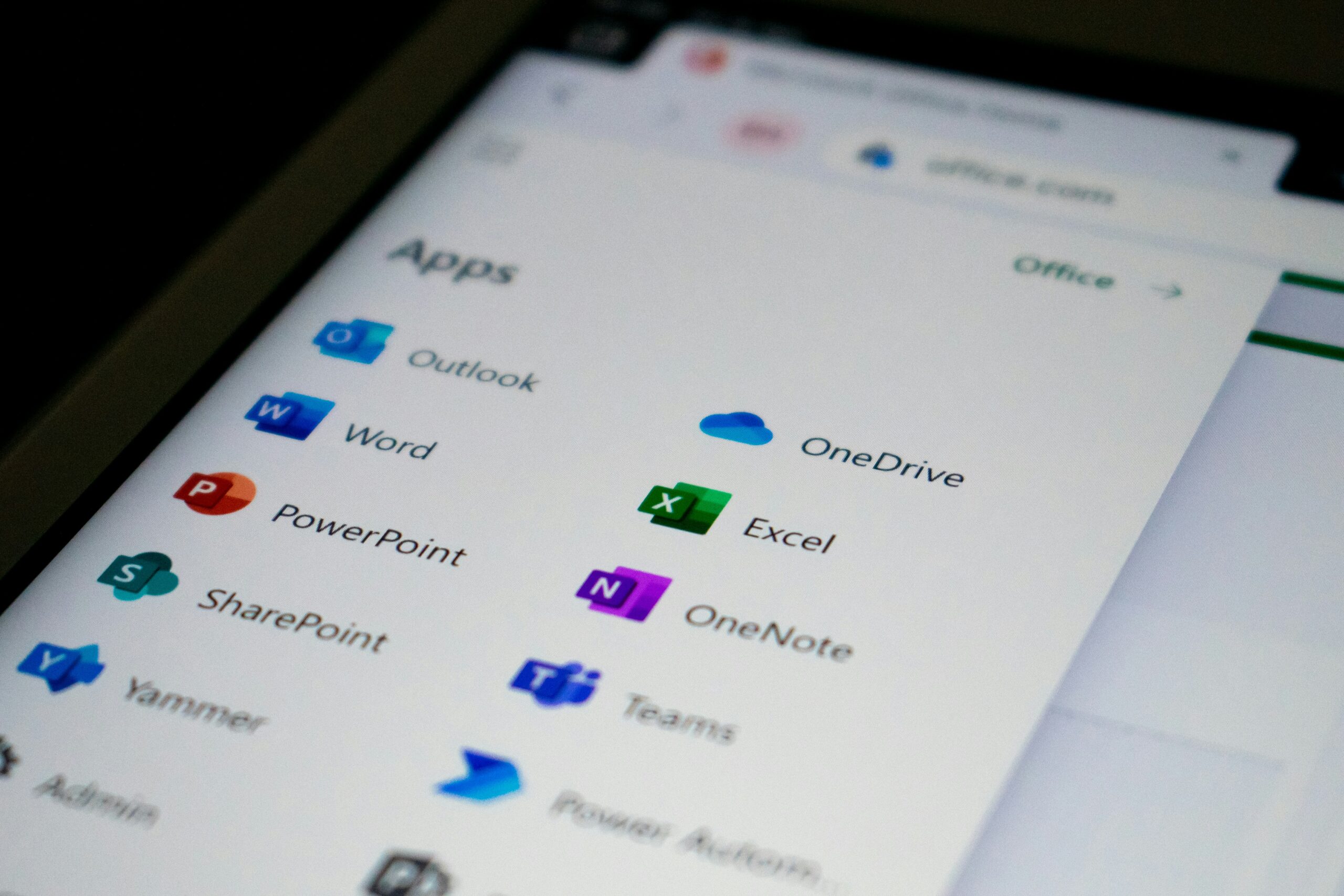
    At EvolvingDesk, we help businesses discover that Microsoft 365 represents a paradigm shift from traditional software licensing to a complete business technology ecosystem. While the familiar Office applications remain central, we’ve seen firsthand how the true value lies in its integrated cloud infrastructure, advanced security features, and collaboration tools.
    These tools transform how businesses operate in today’s fast-paced digital environment. Through our implementations across multiple countries, we’ve witnessed how the platform encompasses everything from cloud storage and email hosting to advanced analytics, artificial intelligence, and enterprise-grade security.
    This comprehensive approach eliminates the need for multiple vendors, reduces complexity, and creates seamless integration across all business functions—exactly what EvolvingDesk specializes in optimizing for our clients.

    The True Cost of Fragmented IT Solutions

    At EvolvingDesk, we regularly encounter businesses operating with a patchwork of IT solutions: separate email providers, cloud storage services, collaboration tools, and security software. Through our five years of experience helping companies across the Netherlands, Belgium, Germany, and Hungary, we’ve seen how this fragmented approach creates several critical problems:
    Integration Nightmares: Different platforms often don’t communicate effectively, leading to data silos and workflow disruptions that hamper productivity.
    Security Vulnerabilities: Multiple vendors mean multiple security standards, creating gaps that cybercriminals can exploit. Each additional platform increases your attack surface.
    Escalating Costs: Individual subscriptions for various services quickly add up, often exceeding the cost of comprehensive solutions while delivering inferior integration and support.
    Management Complexity: IT teams spend countless hours managing different platforms, troubleshooting compatibility issues, and coordinating between vendors instead of focusing on strategic initiatives.
    This is exactly why EvolvingDesk recommends Microsoft 365 as a unified platform that integrates seamlessly across all business functions, eliminating these costly inefficiencies.

    Core Business Advantages of Microsoft 365

    Enhanced Collaboration and Productivity Teams can work simultaneously on documents, share files instantly, and communicate through integrated chat and video conferencing. The platform’s real-time collaboration features eliminate version control issues and reduce project turnaround times significantly.
    Enterprise-Grade Security Microsoft invests billions annually in cybersecurity, providing businesses with advanced threat protection, data loss prevention, and compliance tools that would be impossible to implement independently. Features like multi-factor authentication, encrypted email, and advanced threat analytics protect against sophisticated cyber attacks.
    Scalability Without Limits Whether you’re a five-person startup or a multinational corporation, Microsoft 365 scales effortlessly. Adding new users, increasing storage capacity, or accessing advanced features requires no hardware purchases or complex installations just a few clicks in the admin portal.
    Business Intelligence and Analytics Built-in analytics tools provide insights into productivity patterns, collaboration trends, and business performance metrics. These data-driven insights enable better decision-making and help identify optimization opportunities across your organization.

    The Financial Reality: ROI That Makes Sense

    Through our extensive experience implementing Microsoft 365 solutions at EvolvingDesk, we’ve seen the total cost of ownership consistently surprise business leaders, not because it’s expensive, but because it’s remarkably cost-effective when compared to traditional IT infrastructure.
    Our clients typically discover that their previous costs for separate systems, email hosting, file storage, collaboration tools, security software, backup solutions, and the IT personnel required to manage these disparate platforms, far exceed Microsoft 365’s predictable monthly subscription while providing inferior capabilities.
    EvolvingDesk clients consistently see immediate cost savings through reduced IT management overhead, eliminated hardware maintenance, and decreased security incident costs. The productivity gains from improved collaboration, which we help optimize through our comprehensive training programs, often justify the investment within the first quarter of implementation.

    Critical Features That Transform Business Operations

    Microsoft Teams: More than just video conferencing, Teams serves as a complete collaboration hub integrating chat, file sharing, project management, and third-party applications in one unified interface.
    SharePoint and OneDrive: Advanced file management and sharing capabilities that eliminate the security risks and version control issues associated with consumer-grade cloud storage solutions.
    Power Platform: Low-code development tools that enable businesses to create custom applications, automate workflows, and analyze data without extensive programming knowledge.
    Advanced Security Center: Comprehensive threat monitoring, incident response, and compliance management tools that provide visibility and control over your entire digital environment.

    Implementation: The EvolvingDesk Strategic Advantage

    At EvolvingDesk, we’ve learned that businesses gaining competitive advantages today aren’t just using Microsoft 365—they’re leveraging its full potential through strategic implementation. Our team has been a trusted name in the IT sector for over half a decade, renowned for our direct, no-nonsense, and responsive approach to Microsoft 365 deployments.
    Our comprehensive Microsoft 365 implementation process includes:
    Expert Assessment and Planning: Our certified technicians evaluate your current infrastructure and develop customized deployment strategies that align with your specific business objectives.
    Seamless Migration: We handle complete data migration, user setup, and system configuration to ensure zero downtime during the transition process.
    Security Optimization: EvolvingDesk implements advanced security policies, compliance settings, and monitoring systems tailored to your industry requirements.
    Comprehensive Training: Our team provides thorough training for your staff, ensuring everyone can leverage Microsoft 365’s full potential from day one.
    Ongoing Support: We offer continuous support and maintenance, keeping your Microsoft 365 environment optimized and secure as your business grows.
    Professional implementation through EvolvingDesk ensures that security policies align with business requirements, collaboration tools support existing workflows, and advanced features like automation and analytics deliver measurable value immediately.

    The Risk of Waiting

    Every day businesses delay Microsoft 365 adoption, they face increasing risks:

    • Competitive Disadvantage: Companies leveraging integrated collaboration tools respond faster to market opportunities and customer needs
    • Security Exposure: Fragmented security solutions leave gaps that sophisticated attackers increasingly exploit
    • Escalating Costs: Traditional IT infrastructure becomes more expensive to maintain while delivering less value
    • Talent Retention: Top employees expect modern, efficient tools that enable productive remote and hybrid work

    Your Next Step Forward with EvolvingDesk

    Microsoft 365 isn’t just software, it’s a business transformation platform that enables organizations to work smarter, more securely, and more efficiently in an increasingly digital world. The question isn’t whether your business needs integrated IT infrastructure; it’s whether you can afford to delay implementation while competitors gain advantages through superior technology platforms.
    EvolvingDesk has been at the forefront of Microsoft 365 implementations, helping businesses transition from fragmented IT solutions to comprehensive, integrated platforms. Our team is committed to excellence, delivering highly professional and reliable service that ensures your Microsoft 365 deployment exceeds expectations.
    Our specialized services include complete Microsoft 365 setup and configuration, advanced security implementation, email and workspace management optimization, and ongoing IT support to ensure your system performs flawlessly. Whether you’re a small business establishing your digital foundation or a growing enterprise modernizing your infrastructure, EvolvingDesk tailors our Microsoft 365 services to meet your specific needs.
    With operations across the Netherlands, Belgium, Germany, and Hungary, we bring international expertise with local understanding to your Microsoft 365 implementation. Our proactive approach means we address potential issues before they become problems, allowing you to focus on your core business activities while we handle the technical complexities.
    Don’t let fragmented IT solutions hold your business back. Contact EvolvingDesk today to discover how Microsoft 365 can transform your operations and provide the competitive advantage you need in today’s fast-moving business environment. Let us handle the technical details while you focus on what matters most, growing your business and serving your customers.
    The future of business IT is integrated, secure, and intelligent. With EvolvingDesk as your Microsoft 365 partner, your business will be perfectly positioned to thrive in this digital transformation.

  • IT Chaos Isn’t Random,  It’s a Sign You Waited Too Long

    IT Chaos Isn’t Random,  It’s a Sign You Waited Too Long

    That sinking feeling in your stomach when your IT guy gives two weeks’ notice isn’t just anxiety, it’s your business recognizing a crisis you could have prevented months or years ago. The chaos that follows isn’t random bad luck. It’s the inevitable result of waiting too long to build resilient IT infrastructure.

    The Warning Signs You Chose to Ignore

    Every business experiencing IT chaos after their tech person leaves had warning signs they ignored:

    The Single Point of Failure When only one person knows your server passwords, network configurations, and that “special workaround” that keeps your main application running, you’re not running a business, you’re playing Russian roulette with your operations.

    The Mystery Systems Your email server runs on a configuration nobody understands. Your database has custom modifications that aren’t documented anywhere. Your network has cables running to places that made sense five years ago but nobody remembers why.

    The “It’s Always Worked” Mentality Your IT guy has been there for years, always fixing problems, always available. Why change something that works? Because “always worked” is past tense, and your business operates in present tense.

    The Documentation That Doesn’t Exist Ask to see your IT documentation and watch your tech person’s face. If they start talking about “getting around to that” or “it’s all in my head,” you’re looking at a ticking time bomb.

    The Predictable Cascade of Chaos

    When your IT person leaves, the chaos follows a predictable pattern that has nothing to do with luck and everything to do with poor planning:

    Week 1: The Immediate Lockdown Password resets become impossible. That printer that was “working fine yesterday” stops connecting.

    Your CRM starts throwing error messages nobody understands. Simple problems that took your IT guy minutes to solve now consume hours of multiple employees’ time.

    Week 2-4: The Security Nightmare Firewalls go unmonitored. Security patches pile up. That antivirus software expires, and nobody knows how to renew it. Your business is now a sitting duck for cyber attacks, precisely when you’re most vulnerable and least able to respond.

    Month 2-3: The Productivity Collapse Employees adapt by working around broken systems instead of with functional ones. They email files instead of accessing shared drives. They make phone calls instead of using your communication platform. Your efficiency plummets, but you’re too busy fighting fires to measure the damage.

    Month 4+: The Expensive Band-Aids Emergency IT consultants charge premium rates to understand your unique setup. You pay for rush orders on hardware nobody documented. You discover that critical licenses expired and now cost three times more to reinstate. The bills pile up while productivity remains in the gutter. Pure chaos.

    The Real Cost of Waiting Too Long

    The statistics are brutal because they’re predictable:

    • 73% of small businesses face significant disruptions when their primary IT support leaves
    • Average downtime costs reach $300,000 per hour for larger businesses
    • Data breach risks increase by 60% during IT transition periods
    • Recruitment and training costs average $25,000 per IT position
    • New IT staff require 3-6 months to become fully productive in your environment

    These aren’t random disasters striking unlucky businesses. They’re the measurable consequences of companies that waited too long to build proper IT infrastructure.

    Why Businesses Wait Until It’s Too Late

    The psychology behind IT procrastination is understandable but deadly:

    The “If It Ain’t Broke” Trap Your systems work today, so why spend money fixing what isn’t broken? Because “not broken today” doesn’t mean “won’t break tomorrow,” and when it breaks, it won’t break conveniently.

    The Cost Avoidance Illusion Proper IT infrastructure feels expensive compared to keeping your current IT guy happy. But it’s infinitely cheaper than the chaos that follows their departure.

    The Expertise Intimidation IT feels complex and mysterious. It’s easier to trust one person to handle it all than to understand what proper IT infrastructure looks like. This comfort with ignorance becomes expensive when that trusted person walks away.

    The Control Fantasy Some businesses believe they can prevent their IT person from leaving through loyalty, salary, or workplace culture. But people change jobs for reasons beyond your control, family moves, career opportunities, life changes, or simply burnout.

    The Solution: Build Systems, Not Dependencies

    Smart businesses don’t wait for their IT person to quit. They build IT infrastructure that doesn’t depend on any single person’s knowledge or presence.

    Comprehensive Documentation Every system, configuration, password, and process gets documented in detail. New team members can understand and maintain your setup without relying on institutional knowledge stored in someone’s head.

    Redundant Support Systems Professional IT services provide team-based support that doesn’t disappear when one person leaves. Multiple experts understand your setup, and knowledge transfers happen seamlessly within the service provider.

    Proactive Monitoring and Maintenance Instead of reactive firefighting, proper IT infrastructure includes automated monitoring that identifies problems before they impact operations. Prevention costs less than cure, especially in IT.

    Scalable, Modern Architecture Systems designed for growth and change adapt to new requirements without requiring complete overhauls. Cloud-based solutions, standardized configurations, and modern platforms reduce the specialized knowledge required for maintenance.

    Security Integration Security becomes part of the infrastructure rather than something added on top. Automated updates, integrated monitoring, and layered defenses protect your business without requiring constant human oversight.

    The Path Forward

    If you recognize your business in this description, the good news is that it’s not too late just yet. But every day you wait increases the risk and eventual cost of transition.

    The solution isn’t finding a better IT person or hoping your current one never leaves. The solution is building IT infrastructure that works regardless of personnel changes.

    Professional IT services like those provided by EvolvingDesk transform businesses from vulnerable single-person dependencies into resilient, well-documented, professionally managed IT environments. The transition might feel like an investment today, but it’s actually insurance against the predictable chaos of waiting too long.

    Don’t Wait for the Crisis

    IT chaos isn’t random, it’s predictable. The warning signs are clear, the patterns are established, and the costs are measurable. The only variable is whether you’ll act before or after your IT person gives notice.

    Smart businesses prepare for inevitable transitions by building systems that outlast individual employees. They document their infrastructure, implement redundant support, and partner with professionals who provide team-based expertise rather than single-person dependencies.

    The question isn’t whether your IT person will eventually leave, they will. The question is whether you’ll be prepared when they do, or whether you’ll join the 73% of businesses that experience significant disruptions because they waited too long to build proper IT infrastructure.

    The chaos is optional. The choice is yours. Chaos or peace.

  • IT support Is Not Just ‘Turning It Off and On Again’: The Strategic Reality of Modern IT

    IT support Is Not Just ‘Turning It Off and On Again’: The Strategic Reality of Modern IT

    The classic IT joke has persisted for decades: “Have you tried turning it off and on again?” While this simple troubleshooting step occasionally works for basic issues, reducing modern IT support to this stereotype drastically undervalues the sophisticated, strategic role that IT professionals play in today’s business landscape.

    Beyond the Help Desk Stereotype

    The perception of IT as purely reactive support stems from the most visible interactions between IT support teams and end users, password resets, printer issues, and basic software problems. These front-facing activities, while important, represent just the tip of the iceberg. The real work of modern IT happens behind the scenes, where professionals architect the digital infrastructure that powers entire organizations.

    Today’s IT departments are strategic business enablers, not just problem-solvers. They design and implement complex systems that directly impact revenue, customer satisfaction, and competitive positioning. The “turn it off and on again” mentality ignores the intricate planning, expertise, and continuous innovation required to keep modern businesses running with reliable IT support.

    The True Scope of Modern IT

    Infrastructure Architecture
    Modern IT professionals design and manage hybrid cloud environments, edge computing networks, and distributed systems that span multiple geographic locations. This requires deep understanding of network protocols, security frameworks, scalability principles, and emerging technologies. A single architectural decision can impact performance, security, and costs for years to come.

    Cybersecurity Leadership
    With cyber threats evolving daily, IT support teams implement sophisticated security strategies that go far beyond basic antivirus software. They develop zero-trust architectures, conduct vulnerability assessments, manage identity and access controls, and respond to complex security incidents. The average data breach costs $4.45 million, making cybersecurity expertise invaluable.

    Digital Transformation Strategy
    IT professionals are often the driving force behind digital transformation initiatives. They evaluate emerging technologies, assess business impact, and implement solutions that create competitive advantages. From AI and machine learning implementations to IoT deployments and automation strategies, IT support teams shape how businesses operate in the digital age.

    Data Strategy and Analytics
    Modern businesses generate massive amounts of data, and IT support teams build the infrastructure to collect, process, and analyze this information. They design data pipelines, implement analytics platforms, and ensure data governance compliance, all critical for informed decision-making.

    The Business Impact of Strategic IT

    Professional IT services deliver measurable business value that extends far beyond basic troubleshooting:

    • Operational Efficiency: Well-designed IT systems automate processes, reduce manual errors, and streamline workflows, often improving productivity by 30-50%.

    • Cost Optimization: Strategic IT planning can reduce operational costs through cloud optimization, automation, and predictive maintenance, savings that often reach 25% or more of total IT spend.

    • Risk Mitigation: Proactive monitoring, backup strategies, and security measures prevent costly downtime and data loss incidents that could cripple a business.

    • Scalability and Growth: Modern IT architecture enables businesses to scale rapidly without proportional increases in infrastructure costs or complexity.

    The Hidden Complexity

    What appears simple on the surface often involves intricate technical challenges:

    • A “simple” software update might require compatibility testing across dozens of systems, rollback planning, and coordinated deployment across multiple environments.

    • Network “slowness” could stem from bandwidth constraints, routing inefficiencies, application optimization issues, or security threats, requiring systematic analysis and strategic IT support.

    • A server “restart” in an enterprise environment involves load balancing, failover procedures, data synchronization, and careful timing to minimize business impact.

    The Skills Gap Reality

    The demand for skilled IT professionals continues to outpace supply, with specialized roles requiring years of training and experience:

    • Cloud architects must understand multiple platforms, security frameworks, and cost optimization strategies

    • Cybersecurity specialists need continuous education to stay ahead of evolving threats

    • Data engineers require expertise in multiple programming languages, database systems, and analytics platforms

    • DevOps engineers bridge development and operations with complex automation and orchestration skills

    These roles demand far more sophistication than basic IT support knowledge.

    Why Professional IT Services Matter

    For many businesses, maintaining the depth of expertise required for modern IT operations isn’t feasible or cost-effective. Professional IT support services provide access to specialized knowledge, 24/7 monitoring, and strategic guidance that individual businesses couldn’t maintain internally.

    Professional IT teams offer:

    • Proactive monitoring and maintenance that prevents issues before they impact operations

    • Access to specialized expertise across multiple technology domains

    • Strategic planning that aligns IT investments with business objectives

    • Scalable support that grows with business needs

    • Risk management and compliance expertise

    Moving Beyond the Stereotype

    The “turn it off and on again” joke reflects an outdated view of IT that fails to recognize its strategic importance in modern business. While basic troubleshooting remains part of IT support, today’s IT professionals are digital strategists, security experts, and innovation enablers who drive business success through technology.

    As businesses become increasingly digital, the role of IT support becomes more critical and complex. Organizations that recognize IT as a strategic asset, rather than just a cost center, position themselves for greater success in our technology-driven economy.

    The next time someone makes the “turn it off and on again” joke, remember that behind every smooth-running business system is a team of IT professionals making strategic decisions that impact everything from customer experience to competitive advantage. Modern IT isn’t about simple fixes, it’s about building the digital foundation for business success.

    The Bottom Line

    Professional IT support is about foresight, not just fixes. It’s about building resilient, scalable, secure systems that enable businesses to thrive in a rapidly evolving digital landscape. While “turning it off and on again” might occasionally solve a minor problem, the real value of modern IT lies in ensuring that such problems rarely occur in the first place, and when they do, there are sophisticated systems in place to handle them seamlessly.

    Investing in professional IT isn’t just about solving today’s problems, it’s about building the foundation for tomorrow’s opportunities.

    This button doesn't solve everything, get in touch before the real problems will start. IT support at the highest quality

  • Why Your Business Needs a Custom Email Workspace Today

    Why Your Business Needs a Custom Email Workspace Today

    In today’s hyper-connected business environment, email remains the backbone of professional communication.

    Yet many businesses still rely on generic email solutions that fail to meet their unique operational needs. A custom email workspace isn’t just a luxury, it’s a strategic necessity that can transform how your organization communicates, collaborates, and operates.

    The Hidden Costs of Generic Email Solutions

    Most businesses start with basic email providers, thinking they’re saving money. However, generic email solutions create hidden costs that compound over time. Brand dilution occurs when using generic domains like @gmail.com or @yahoo.com, undermining your professional credibility and brand recognition.

    Limited functionality means standard email providers offer one size fits all features that rarely align with specific business workflows and requirements.

    Security vulnerabilities present another major concern, as generic email services provide only basic security measures that may not meet your industry’s compliance requirements or protect sensitive business data. Scalability issues emerge as your business grows, making generic solutions increasingly inadequate and forcing costly migrations and system overhauls.

    Integration challenges arise because most generic email providers don’t integrate seamlessly with specialized business applications, creating workflow disruptions and productivity losses.

    The Custom Email Workspace Advantage

    A custom email workspace transforms your communication infrastructure into a strategic business asset. Professional brand enhancement comes naturally with custom email addresses featuring your domain name (@yourcompany.com), which instantly establish credibility and reinforce brand recognition with every message sent.

    This consistent branding builds trust with clients and partners while differentiating your business from competitors.

    Tailored functionality allows custom email workspaces to be configured to match your specific business processes. Whether you need specialized folder structures, automated routing rules, or integration with industry-specific software, custom solutions adapt to your workflow rather than forcing you to adapt to them. Advanced security and compliance features provide enterprise-grade protection including advanced encryption, multi-factor authentication, and detailed audit trails. For businesses in regulated industries, custom solutions can be configured to meet specific compliance requirements like HIPAA, GDPR, or financial regulations.

    Seamless integration capabilities mean a well-designed custom email workspace integrates effortlessly with your existing business applications, CRM systems, project management tools, accounting software, and more. This integration eliminates data silos and creates a unified communication ecosystem. Scalability and future-proofing ensure custom email workspaces are designed to grow with your business, making adding new users, departments, or functionality straightforward without disrupting existing operations.

    Real-World Business Impact

    Organizations implementing custom email workspaces typically experience measurable improvements across multiple areas. Productivity gains show employees saving 15-20% of their communication time through streamlined workflows and integrated tools. Enhanced security means custom security measures reduce email related security incidents by up to 60%. Improved client relations result from professional email addresses and reliable delivery, which improve client perception and communication effectiveness.

    Cost efficiency emerges over time, as while initial setup costs exist, custom solutions often prove more cost-effective long-term due to reduced licensing fees and improved productivity. Operational reliability provides better uptime and performance compared to shared generic services.

    Essential Features of Modern Email Workspaces

    Today’s custom email workspaces go far beyond basic send-and-receive functionality. Unified communication integrates email, chat, video conferencing, and file sharing in a single platform. Mobile optimization ensures seamless access across all devices with native mobile applications and responsive design. Advanced collaboration includes shared calendars, task management, and real-time document collaboration integrated within the email environment.

    Intelligent organization leverages AI powered sorting, automated responses, and smart priority filtering that learns from user behavior. Comprehensive analytics provide detailed insights into communication patterns, response times, and team productivity metrics.

    The Implementation Process

    Transitioning to a custom email workspace requires careful planning and expert execution. The assessment phase involves analyzing current email usage patterns, security requirements, and integration needs. Design and configuration create a custom solution that aligns with business processes and user preferences. Migration strategy ensures safely transferring existing email data while maintaining zero downtime during the transition.

    Training and support provide comprehensive user training and ongoing technical support. Optimization includes continuous monitoring and refinement to maximize system performance and user satisfaction.

    Why Now Is the Right Time

    Several trends make this the optimal time for businesses to invest in custom email workspaces. Remote work normalization means distributed teams require more sophisticated communication tools than ever before. Increased cyber threats make advanced security essential, as email remains the primary attack vector for cybercriminals. Regulatory compliance requirements are tightening, requiring businesses to have better control over their communication data.

    Competitive advantage goes to early adopters of advanced communication tools, who gain significant advantages over competitors using outdated systems. Technology maturation means custom email solutions are now more accessible and cost-effective than ever before.

    Making the Investment Decision

    When evaluating custom email workspace solutions, consider critical factors including total cost of ownership, which should include setup, training, maintenance, and scaling costs in your analysis. Security requirements must ensure the solution meets your industry’s specific security and compliance needs. Integration capabilities should verify compatibility with your existing business applications and future technology plans.

    User experience should enhance rather than complicate daily workflows, while support and reliability require partnering with providers who offer comprehensive support and proven reliability.

    Your Next Steps

    The question isn’t whether your business needs a custom email workspace, it’s how quickly you can implement one to gain competitive advantages and improve operational efficiency. A custom email workspace represents more than just an IT upgrade; it’s an investment in your business’s communication infrastructure that pays dividends through improved productivity, enhanced security, and strengthened brand presence.

    Don’t let outdated email systems hold your business back. The time to modernize your communication infrastructure is now, before your competitors gain the advantages that custom email workspaces provide. Contact a qualified IT service provider today to explore how a custom email workspace can transform your business communications and position your organization for sustained growth in an increasingly connected world.

  • Digital Duct Tape: Is Your IT Helping or Hurting?

    Digital Duct Tape: Is Your IT Helping or Hurting?

    Every business owner has been there—that moment when a critical system crashes, the internet goes down, or a simple password reset turns into a day-long crisis. You patch it up with whatever solution works fastest, promising yourself you’ll “fix it properly later.” But later never comes, and before you know it, your entire IT infrastructure becomes a precarious tower of quick fixes, workarounds, and digital duct tape.
    The question isn’t whether your business uses technology—it’s whether your technology is propelling your business forward or quietly sabotaging it from within.

    The Hidden Cost of “Good Enough” IT

    Most businesses don’t realize they’re running on digital duct tape until it’s too late. The signs are subtle at first: employees complaining about slow systems, customers mentioning delayed responses, or that nagging feeling that simple tasks take longer than they should.
    Here’s the uncomfortable truth: 73% of small businesses experience significant operational disruptions when their makeshift IT solutions finally fail. What starts as a minor inconvenience snowballs into lost productivity, frustrated employees, and ultimately, lost revenue.
    Consider the real cost of that “temporary” fix:

    • Productivity drain: Employees waste hours weekly working around system limitations
    • Security vulnerabilities: Quick fixes often bypass proper security protocols
    • Scalability roadblocks: Patched systems can’t grow with your business
    • Competitive disadvantage: While you’re fighting fires, competitors are innovating

    The Anatomy of Digital Duct Tape

    Digital duct tape manifests in countless ways across business operations:
    The Password Nightmare: Sticky notes with passwords, shared login credentials, and that one person who “knows all the passwords” but never documented them.
    The Single Point of Failure: Everything depends on one person, one system, or one application. When it breaks, everything stops.
    The Integration Catastrophe: Multiple systems that don’t talk to each other, requiring manual data entry and constant reconciliation.
    The Security Afterthought: Outdated software, unpatched systems, and security measures that were “good enough” five years ago.
    The Bandwidth Bottleneck: Internet connections that worked fine when you had five employees but can’t handle your current team of twenty.
    Sound familiar? You’re not alone, and more importantly, you’re not stuck.

    From Reactive to Revolutionary

    The businesses thriving in today’s fast-paced market share one critical characteristic: they’ve moved beyond reactive IT management to proactive, strategic technology planning. They’ve replaced digital duct tape with smart, integrated solutions that actually accelerate business growth.
    Smart IT isn’t about having the newest gadgets—it’s about having systems that work seamlessly together, scale with your growth, and free your team to focus on what they do best.
    Modern businesses are leveraging:

    • Edge computing to process data faster and more efficiently
    • Cloud-first architectures that scale instantly with demand
    • Predictive analytics that prevent problems before they occur
    • Integrated security that protects without hindering productivity
    • Automated processes that eliminate routine tasks and human error

    The Real Business Impact

    When businesses transition from digital duct tape to smart IT solutions, the results are transformative:

    • 40% reduction in IT-related downtime through proactive monitoring and maintenance
    • 60% faster response times with properly configured systems and networks
    • 35% cost savings through efficient resource utilization and reduced emergency fixes
    • 50% improvement in team productivity when technology enhances rather than hinders work

    These aren’t just numbers—they represent real business growth, competitive advantages, and the peace of mind that comes from knowing your technology is working for you, not against you.

    Your IT Health Check

    Take a moment to honestly assess your current IT situation:

    1. Do you have a single person everyone calls when something breaks?
    2. Are your employees regularly frustrated with slow or unreliable systems?
    3. Do you worry about what would happen if your main IT person left?
    4. Are you constantly putting out technology fires instead of planning for growth?
    5. Do your systems feel like they’re holding your business back rather than propelling it forward?

    If you answered “yes” to any of these questions, you’re likely running on digital duct tape—and it’s time for a change.

    The Path Forward: Building Smart IT Infrastructure

    Transforming from digital duct tape to smart IT doesn’t happen overnight, but it doesn’t have to be overwhelming either. The key is working with partners who understand both the technical complexities and the business realities of modern organizations.
    Professional IT services provide the expertise, reliability, and strategic thinking that growing businesses need. Unlike the digital duct tape approach, professional solutions offer:

    • Comprehensive documentation ensuring nothing is left to memory or guesswork
    • Redundant systems eliminating single points of failure
    • Proactive monitoring catching issues before they impact operations
    • Scalable architecture that grows seamlessly with your business
    • Integrated security protecting your data and reputation
    • 24/7 support ensuring help is always available when you need it

    Making the Transition

    The transition from digital duct tape to smart IT is easier than most business owners imagine. The right IT partner will:

    1. Assess your current infrastructure honestly and comprehensively
    2. Identify immediate risks and priority improvements
    3. Develop a strategic roadmap aligned with your business goals
    4. Implement solutions with minimal disruption to daily operations
    5. Provide ongoing support ensuring long-term success and growth

    Your Technology Should Work for You

    Every minute your team spends fighting technology is a minute not spent serving customers, developing products, or growing your business. Every system crash, every security scare, every “temporary workaround” that becomes permanent—these are symptoms of digital duct tape holding your business back.
    The most successful businesses in today’s market aren’t those with the biggest IT budgets—they’re the ones with the smartest IT strategies. They’ve recognized that technology is not a necessary evil to be minimized, but a strategic asset to be optimized.
    Your business deserves better than digital duct tape. It deserves technology that enhances productivity, protects valuable data, scales with growth, and provides the foundation for long-term success.
    The question isn’t whether you can afford to upgrade your IT infrastructure—it’s whether you can afford not to. Every day you delay is another day your competitors gain ground, another day your team fights systems instead of focusing on their expertise, and another day you’re vulnerable to the inevitable failure of digital duct tape solutions.

    Ready to Cut the Tape?

    The path from digital duct tape to smart IT starts with a single decision: choosing to prioritize your technology infrastructure as a strategic business asset. When you’re ready to stop patching problems and start building solutions, professional IT partners are standing by to help transform your technology from a daily frustration into a competitive advantage.
    Your business has unique needs, challenges, and opportunities. The right IT strategy will address all three, providing not just technical solutions but business growth enablers that position you for long-term success in an increasingly digital world.
    The choice is yours: continue running on digital duct tape and hope it holds, or invest in smart IT solutions that will propel your business forward.
    What will you choose?
    A modern office workspace with tangled cables, outdated devices, and improvised tech fixes symbolizing a struggling IT setup patched together like "digital duct tape"

  • IT Maintenance as a Competitive Advantage

    IT Maintenance as a Competitive Advantage

    Most business leaders view IT maintenance as a necessary evil—an expensive, time-consuming task that keeps the lights on but doesn’t drive growth. This perspective couldn’t be more wrong. In today’s hyper-competitive digital landscape, strategic IT maintenance isn’t just about preventing problems; it’s about creating sustainable competitive advantages that separate industry leaders from those struggling to keep up.

    The Hidden Cost of Reactive IT Management

    When businesses treat IT maintenance as an afterthought, they unknowingly handicap their entire operation. Consider this: companies that practice reactive IT management face downtime costs reaching $300,000 per hour for larger businesses, while smaller organizations experience productivity losses that can cripple their growth trajectory.

    The real tragedy isn’t just the immediate financial impact—it’s the compound effect of missed opportunities. While your systems are down, competitors are capturing market share, serving customers, and building relationships that should belong to you.

    The reactive approach creates a vicious cycle:

    • Problems emerge unexpectedly, demanding immediate attention
    • Resources are diverted from strategic initiatives to crisis management
    • Employee morale suffers as they struggle with unreliable technology
    • Customer satisfaction drops due to service interruptions
    • Business growth stagnates while competitors pull ahead

    Proactive Maintenance: The Strategic Differentiator

    Forward-thinking organizations understand that IT maintenance is actually strategic investment disguised as operational expense. When done correctly, proactive IT maintenance becomes a powerful competitive weapon that delivers measurable business advantages.

    Proactive maintenance transforms your business in several key ways:

    Operational Excellence Through Reliability Companies with robust IT maintenance protocols experience 95% uptime reliability compared to 70-80% for reactive organizations. This difference translates directly into revenue protection and customer satisfaction. When your systems work flawlessly while competitors struggle with outages, customers notice—and they remember.

    Cost Optimization and Resource Allocation Proactive maintenance reduces overall IT costs by up to 40% compared to reactive approaches. Instead of expensive emergency repairs and rushed replacement purchases, you invest in planned upgrades and preventive measures that deliver better value. These savings can be reinvested in growth initiatives that drive competitive advantage.

    Enhanced Security Posture Regular maintenance includes security updates, vulnerability assessments, and system hardening that keep your business protected. While competitors deal with data breaches and compliance violations, your proactive approach maintains customer trust and protects valuable intellectual property.

    Scalability and Agility Well-maintained systems adapt quickly to changing business needs. When market opportunities arise, your technology infrastructure becomes an enabler rather than a constraint. This agility allows you to capitalize on trends while competitors are still trying to get their systems stable enough to respond.

    The Innovation Advantage

    Perhaps the most overlooked benefit of strategic IT maintenance is how it enables innovation. When your IT team isn’t constantly firefighting, they can focus on strategic initiatives that drive business growth. This shift from reactive problem-solving to proactive innovation creates a fundamental competitive advantage.

    Innovation through maintenance includes:

    • Identifying optimization opportunities during routine system reviews
    • Implementing emerging technologies during planned upgrade cycles
    • Developing custom solutions that address unique business challenges
    • Creating robust data analytics capabilities through well-maintained systems

    Measuring Competitive Impact

    The competitive advantages of strategic IT maintenance are measurable and significant:

    Productivity Gains: Organizations with proactive IT maintenance see 50% higher productivity rates as employees spend time on core activities rather than dealing with technical issues.

    Customer Satisfaction: Reliable systems translate into consistent service delivery, resulting in customer satisfaction scores that are 35% higher than competitors with reactive approaches.

    Speed to Market: New product launches and service rollouts happen 60% faster when supported by well-maintained, reliable IT infrastructure.

    Risk Mitigation: Proactive maintenance reduces security incidents by 70% and eliminates 85% of unexpected downtime events.

    Building Your Maintenance-Driven Competitive Strategy

    Transforming IT maintenance from a chore into a competitive edge requires strategic thinking and expert execution. The most successful organizations treat IT maintenance as a core business function that directly impacts customer experience, operational efficiency, and market positioning.

    Key elements of a competitive maintenance strategy include:

    Comprehensive Documentation and Knowledge Management Detailed documentation ensures continuity and enables rapid problem resolution. This institutional knowledge becomes invaluable during transitions and scaling periods.

    Predictive Analytics and Monitoring Advanced monitoring systems identify potential issues before they impact operations, allowing for preventive action that maintains competitive advantage.

    Strategic Vendor Partnerships Professional IT service providers bring expertise, redundancy, and 24/7 support capabilities that individual businesses cannot match internally.

    Continuous Improvement Processes Regular assessment and optimization ensure that maintenance practices evolve with business needs and technological advances.

    The Partnership Advantage

    Smart organizations recognize that building and maintaining competitive IT advantages requires specialized expertise. Professional IT service providers offer the knowledge, tools, and dedication necessary to transform maintenance from operational burden into strategic asset.

    The right IT partner brings several competitive advantages:

    • Deep technical expertise across multiple domains
    • 24/7 monitoring and support capabilities
    • Access to enterprise-grade tools and technologies
    • Proactive planning and strategic guidance
    • Scalable solutions that grow with your business

    Your Next Competitive Move

    The businesses that thrive in today’s digital economy understand a fundamental truth: IT maintenance isn’t about keeping things running—it’s about running better than your competition. Every day you delay implementing strategic IT maintenance is another day your competitors gain ground.

    The question isn’t whether you can afford to invest in proactive IT maintenance; it’s whether you can afford not to. In a world where digital infrastructure determines business success, treating IT maintenance as a strategic investment rather than a necessary chore could be the decision that defines your competitive future.

    Don’t let reactive IT management hold your business back. The competitive advantages of strategic IT maintenance are too significant to ignore, and the cost of inaction grows higher every day. Transform your IT maintenance from operational burden into competitive weapon—your future market position depends on it.

    IT professional performing routine server maintenance in a modern data center to improve system reliability and business performance.

  • 🚨 What Happens When Your IT Guy Quits? 5 Steps to Future-Proof Your Support 💼

    🚨 What Happens When Your IT Guy Quits? 5 Steps to Future-Proof Your Support 💼

    In today’s technology-driven business world, understanding what happens when your IT guy quits is crucial for every organization. Whether it’s your dedicated IT specialist, the tech-savvy employee who handles everything, or your go-to computer expert, their sudden departure can create chaos that many businesses aren’t prepared for.

    The harsh reality is that 73% of small businesses experience significant operational disruptions when their primary IT support person leaves unexpectedly. This scenario is more common than you might think, and the consequences can be devastating for unprepared organizations.

    The Immediate Crisis: What Happens When Your IT Guy Quits

    When your IT support person leaves, several critical issues emerge immediately:

    Complete System Lockdown Without your IT guy, basic system maintenance stops entirely. Password resets become impossible, software updates halt, and minor technical issues escalate into major problems. Your team finds themselves locked out of essential systems with no one to help.

    Security Vulnerabilities Multiply Cybersecurity monitoring ceases when your IT person departs. Firewalls go unmonitored, security patches remain uninstalled, and potential threats go undetected. This leaves your business exposed to cyber attacks during a critical transition period.

    Lost Institutional Knowledge Your departing IT guy takes valuable knowledge about your specific setup, configurations, and workarounds. This institutional knowledge is often undocumented, making it nearly impossible for replacements to understand your unique IT environment quickly.

    Productivity Plummets Employees become helpless when facing technical issues. Simple problems that your IT guy could solve in minutes now halt productivity for hours or days, directly impacting your bottom line and customer satisfaction.

    The Hidden Costs of IT Staff Turnover

    Understanding what happens when your IT guy quits extends beyond immediate technical problems. The financial implications are staggering:

    • Recruitment costs averaging $15,000-$25,000 for IT positions
    • Training time of 3-6 months for new IT staff to become fully productive
    • Downtime costs reaching $300,000 per hour for larger businesses
    • Data breach risks increasing by 60% during IT transition periods

    These costs don’t include the stress, frustration, and potential reputation damage your business faces during the transition.

    5 Essential Steps to Future-Proof Your IT Support

    To prevent disaster when facing what happens when your IT guy quits, implement these proactive strategies:

    1. Document Everything Thoroughly Create comprehensive documentation of all systems, passwords, configurations, and procedures. This ensures continuity regardless of personnel changes and provides new team members with essential information.

    2. Implement Managed IT Services Partner with professional IT service providers who offer consistent, reliable support. Unlike individual employees, managed services provide redundancy and expertise that doesn’t disappear with personnel changes.

    3. Establish Multiple Support Channels Avoid single points of failure by creating multiple support pathways. This includes having backup contacts, alternative service providers, and emergency procedures that don’t rely on one person.

    4. Regular Training and Cross-Training Ensure multiple team members understand basic IT functions. While not everyone needs to be an expert, having several people who can handle routine tasks reduces dependency on one individual.

    5. Create Comprehensive Backup Systems Implement automated backup solutions for data, configurations, and system settings. This protects against both technical failures and knowledge loss when staff members leave.

    Why Professional IT Support Matters

    What happens when your IT guy quits becomes a non-issue when you have professional, reliable IT support in place. Unlike individual employees, professional IT services provide:

    • 24/7 availability ensuring problems get resolved quickly
    • Team expertise rather than relying on one person’s knowledge
    • Proactive monitoring to prevent issues before they occur
    • Scalable solutions that grow with your business needs

    EvolvingDesk: Your Reliable IT Partner

    At EvolvingDesk, we understand the challenges businesses face when wondering what happens when your IT guy quits. Our comprehensive IT support solutions ensure your business never experiences this crisis.

    EvolvingDesk has been a trusted name in the IT sector for over half a decade, renowned for our direct, no-nonsense, and responsive approach. Our team is committed to excellence, delivering highly professional and reliable service. We take pride in the quality of our services, and with EvolvingDesk, you can expect superior solutions backed by a team dedicated to your success.

    Our services include development, hosting, surveillance systems, network setup, IT support, VoIP systems, email and workspace management, and digital signage solutions. Whether you’re a small business or a growing enterprise, we tailor our services to meet your specific needs.

    Take Action Before It’s Too Late

    Don’t wait to discover what happens when your IT guy quits. The time to prepare is now, before you’re facing a crisis. By implementing proper documentation, partnering with reliable IT services, and creating redundant support systems, you protect your business from unnecessary disruption and costly downtime.

    EvolvingDesk specializes in helping businesses transition from vulnerable single-person IT support to robust, professional IT infrastructure. Our proactive approach means we address potential issues before they become problems, allowing you to focus on your core business activities without worrying about IT disasters.

    Contact EvolvingDesk today to future-proof your IT support and ensure your business never faces the chaos of sudden IT staff departure.

    What will you do when your IT guy quits? Get in contact with Evolving Desk, a reliable IT partner.